産業革命以降、ウールといえばイギリスの繊維工業を思い浮かべる方が多いかもしれません。
しかしそのはるか以前、中世から17世紀にかけてのヨーロッパにおいて、最も重要で、最も高品質なウール産業の中心地はスペインでした。
当時のスペイン産ウールは、のちに「メリノウール」として知られる最高級品質の羊毛に相当します。
スペインの羊毛の優れた品質は古くから知られており、すでにローマ時代にはアンダルシア地方の羊毛が高く評価されていました。
諸説ありますが、12世紀頃には北アフリカの羊とイベリア半島在来種を交配することで、のちに世界を席巻するメリノ種が生み出されたと考えられています。
その毛は非常に細く柔らかく、同時代のヨーロッパのどの羊毛よりも高品質で、後に「スペインの白い金(oro blanco)」と称されるほどでした。
メスタと「トラッシュマンス」——羊飼いの王国
1273年、カスティーリャ王アルフォンソ10世は、牧羊業者の権利を守るための組合『メスタ(Mesta)』を設立します。この組織は王室の庇護を受け、羊の移動(トラスウマンシアス=trashumancia)を保護するための法制度と牧草地・通行路(カニャーダ=Cañada Real)を整備しました。冬は南部、夏は北部へ——季節に合わせて草のある地域、数百キロを移動する壮大な放牧の文化です。
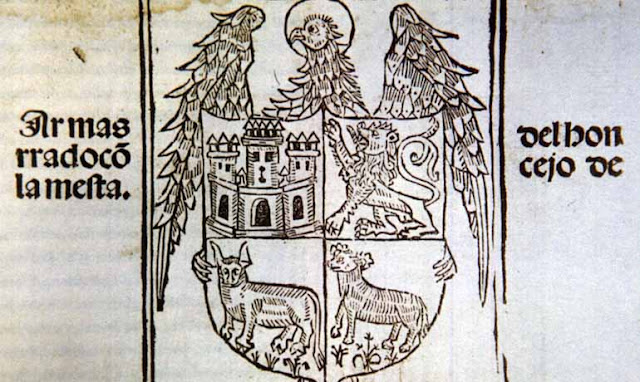
メスタの紋章
16世紀には、カスティーリャ全域で約300万頭の羊が放牧されていたといわれ、まさにスペインの黄金時代を支える産業でした。驚くことに現在でも、スペイン各地には羊のための古い通行路「Cañada Real」が残り、その文化的遺産が息づいています。スペインを旅していると各地で遭遇する羊のための通路です。
「王室の資産」としてのメリノ羊
メリノ羊はやがて「スペイン王室の独占資産」とされ、原毛はヨーロッパ各地へ高値で輸出されました。国外への持ち出しは厳禁で、違反者は財産没収や重刑に処されるほどの徹底ぶり。アメリカ大陸発見以前、スペインの主要産業はまさに原毛ウールの生産と輸出だったのです。フランドル地方に輸出されたウールは、タペストリーとなりヨーロッパ中の宮殿を飾っていたことは有名です。
ブルボン王朝と衰退のはじまり
ところが18世紀、ブルボン王朝のスペイン到来とともにこの産業に陰りが見え始めます。初代国王フェリペ5世(1700–1746)は、あのルイ14世の孫にあたる人物で、彼の治世はスペインが事実上フランスの影響下に置かれた時代でもあり、ルイ14世の指示どおりスペインの国力を弱める政策が多々ありました。
フェリペ5世はフランスとの結びつきを深めるため、外交贈答として少数のメリノ羊をフランス王家に贈与します。この羊がフランスで繁殖・改良され、のちにフランス・メリノとして定着。さらに18世紀末には、オーストリア、ドイツ、スウェーデンなど他国にも贈答・販売が進み、19世紀にはオーストラリアや南米にも広がっていきます。
独占の終焉と新世界の台頭
こうしてスペインは、長らく守ってきた「メリノ羊独占国」としての地位を失い、国際市場での価格優位性も急速に低下。19世紀に入ると、オーストラリアやアルゼンチンなどの新興生産地が広大な牧場と近代的な紡績技術を背景に、メリノウールを大量生産するようになります。
結果として、スペイン産ウールは量・価格・品質のいずれの面でも劣勢となり、さらに国内では工業化の遅れも重なって、原毛輸出中心の構造から脱却できないまま、産業の停滞と衰退へと向かいました。
エスカライ——伝統を継ぐひとつの町
そんな中で、スペインのウール産業の記憶をいまに伝える町が、ラ・リオハ地方のエスカライ(Ezcaray)です。かつてここには王立ウール工場(Real Fábrica de Paños)が置かれ、豊かな水と寒冷な気候を活かした良質な羊毛生産で知られていました。
エスカライ周辺にはかつて多くの繊維ファミリーが存在しましたが、時代とともに一つまた一つと姿を消していきます。
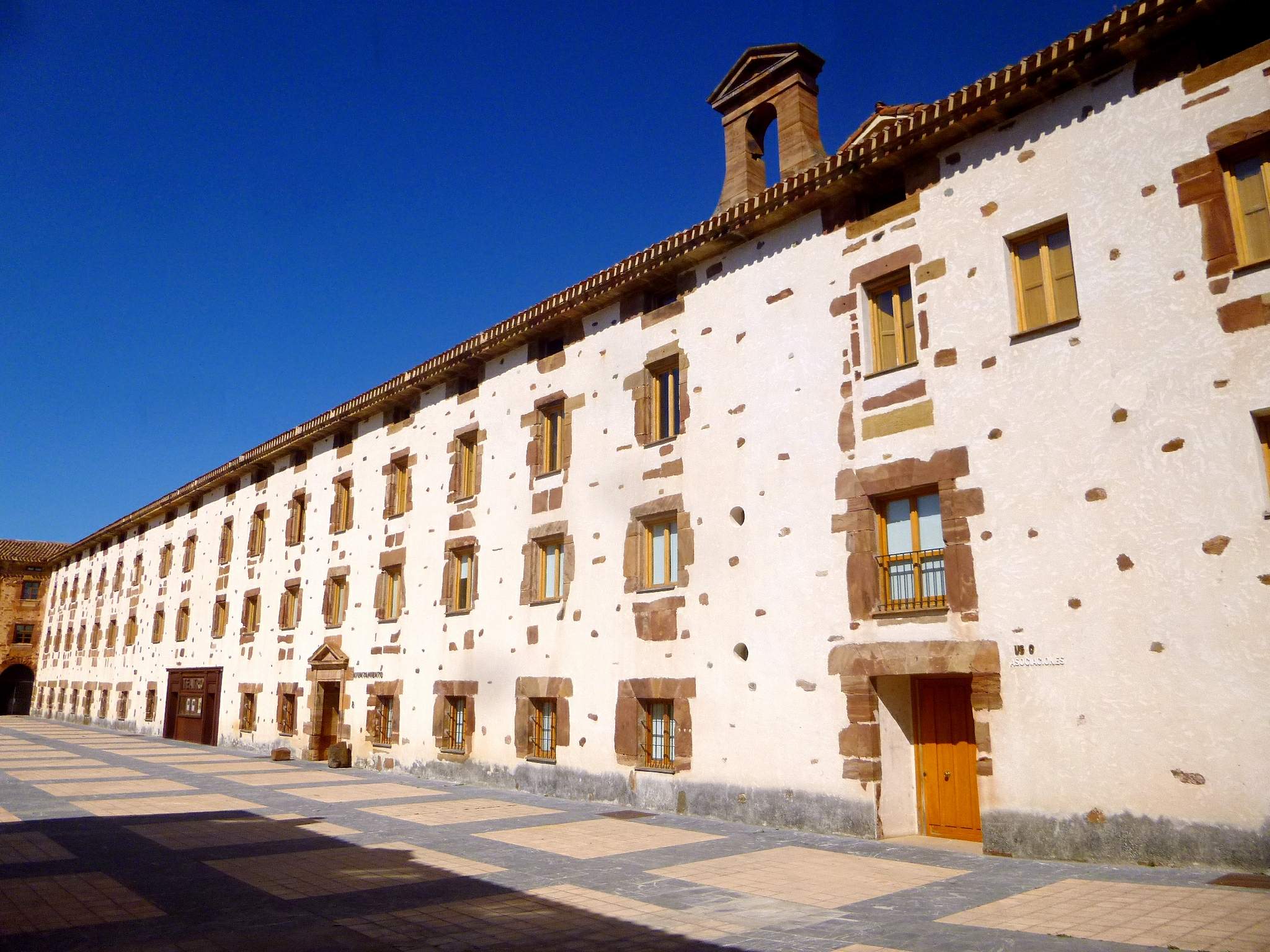
エスカライに残る18世紀の王立ウール工場
その中で唯一生き残ったのが、バルガニョン家(Familia Valgañón)の会社マンタス・エスカライ。彼らは20世紀のはじめ、スペイン各地に残る羊毛メーカーを訪ね歩き、最後に高品質モヘア生産という道を選びました。地元の豊かな水を活かしながら、古くから受け継がれた染色技術で鮮やかな発色を持つモヘアを生み出しています。起毛技術も昔のままの乾燥あずみの花を利用し、他では真似のできない生産法を守っています。
今日では、この小さな町の工場が世界中の一流ブランドにモヘア製品を供給する存在となり、スペインの羊毛文化の最後の灯を守り続けています。
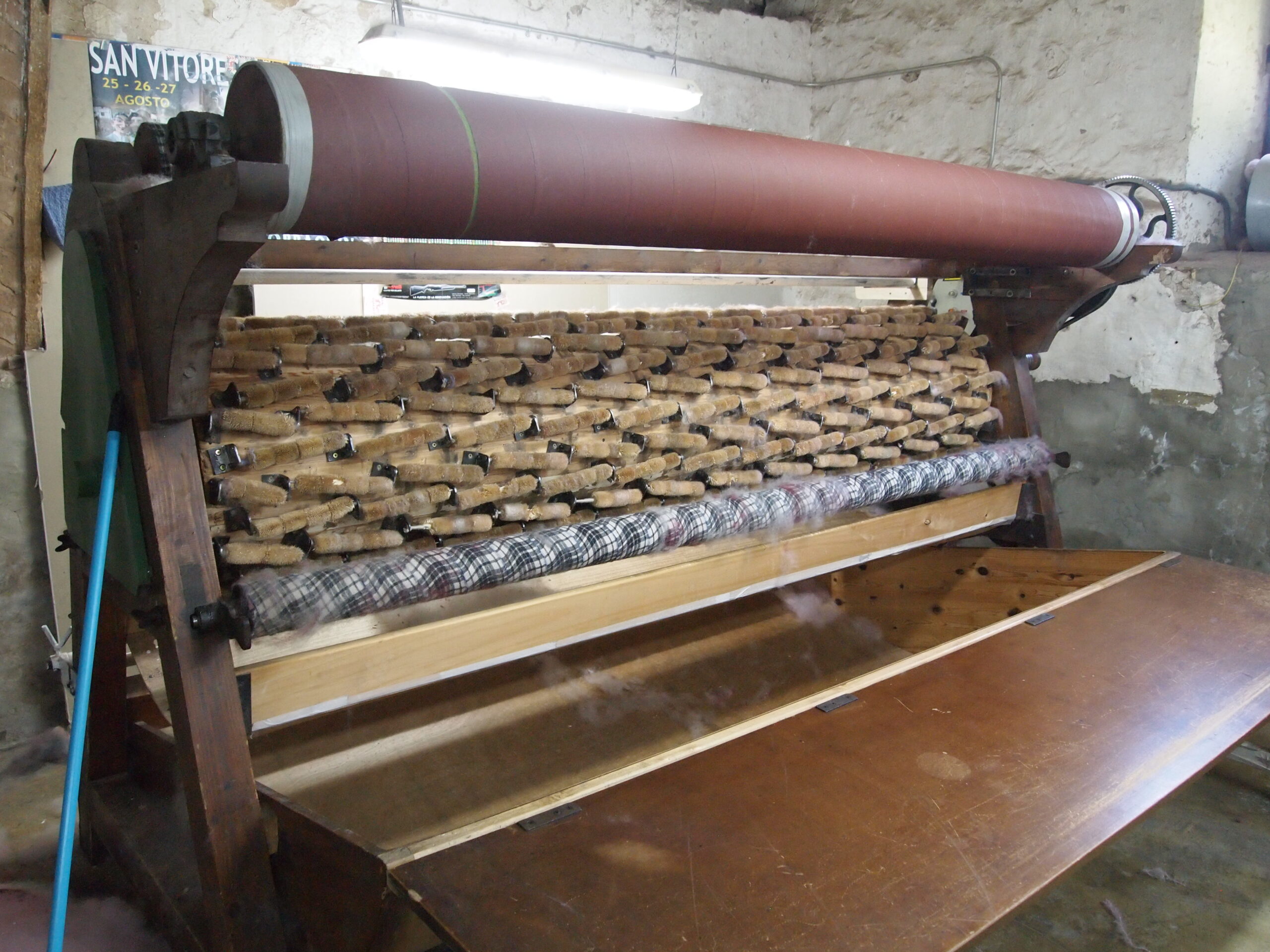
ドライあずみを利用した伝統的な起毛装置。現代の機械では真似できない効果があるそうです。
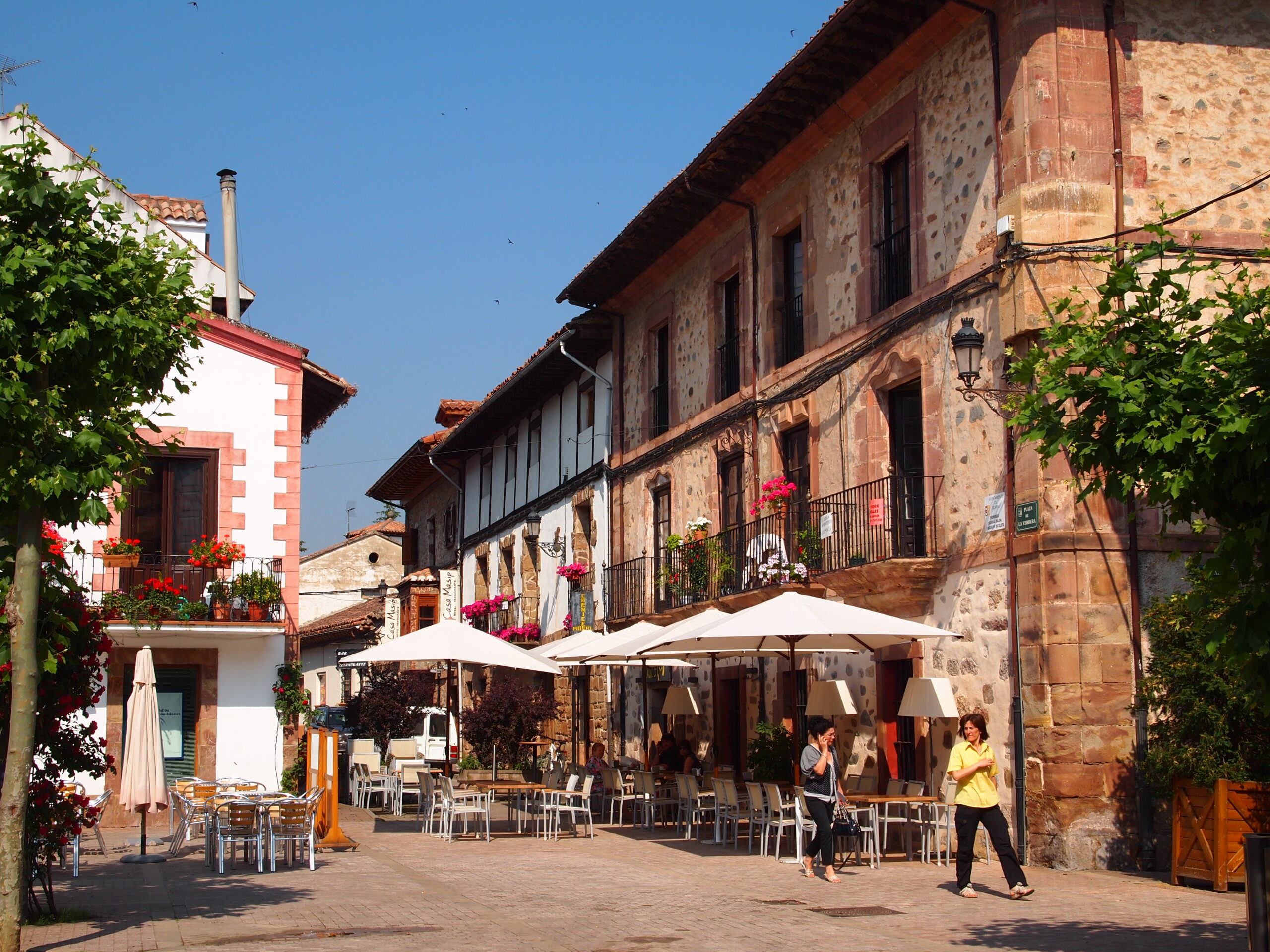
美しいエスカライの町の様子 夏は特に活気があります
日本との絆——受け継がれる手仕事の美
スペインの素晴らしい手仕事は、その背後にあるストーリーを語らずには伝わりません。
ウールだけでなく、レザー、陶器、家具など、私はこれまで約30年にわたってさまざまなスペインの手仕事に関わってきました。
その中でもエスカライのバルガニョン家とのご縁は、もう15年以上になります。
多くの工房が姿を消していくなかで、地方の小さな町から世界のトップブランドに製品を送り出すエスカライの存在は奇跡的です。そして何より、家族の情熱と誇りがその品質を支え続けていることに心を打たれます。
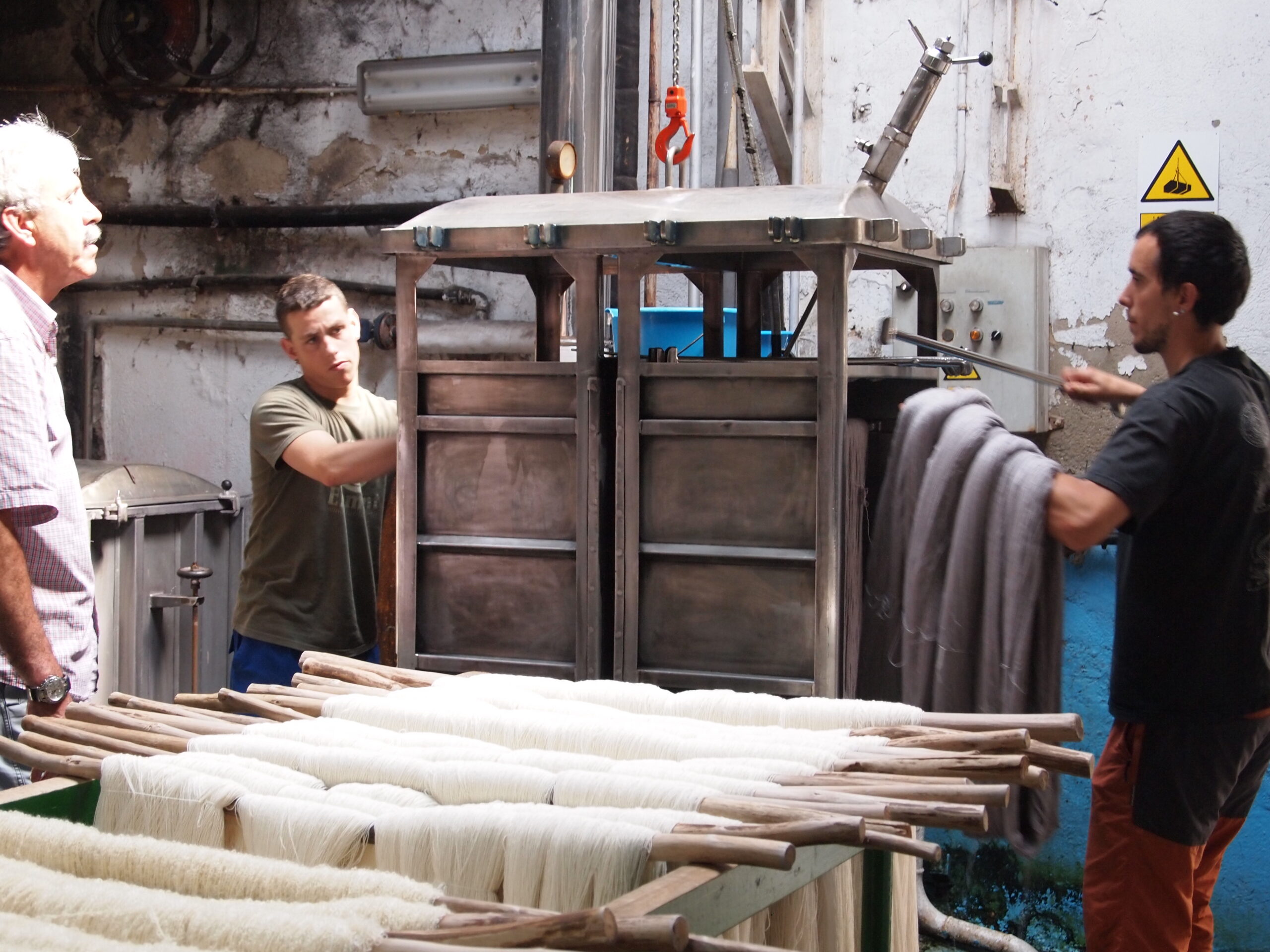
染色は昔ながらの手作業 新しい装置もありますが、基本的に人力が使われています
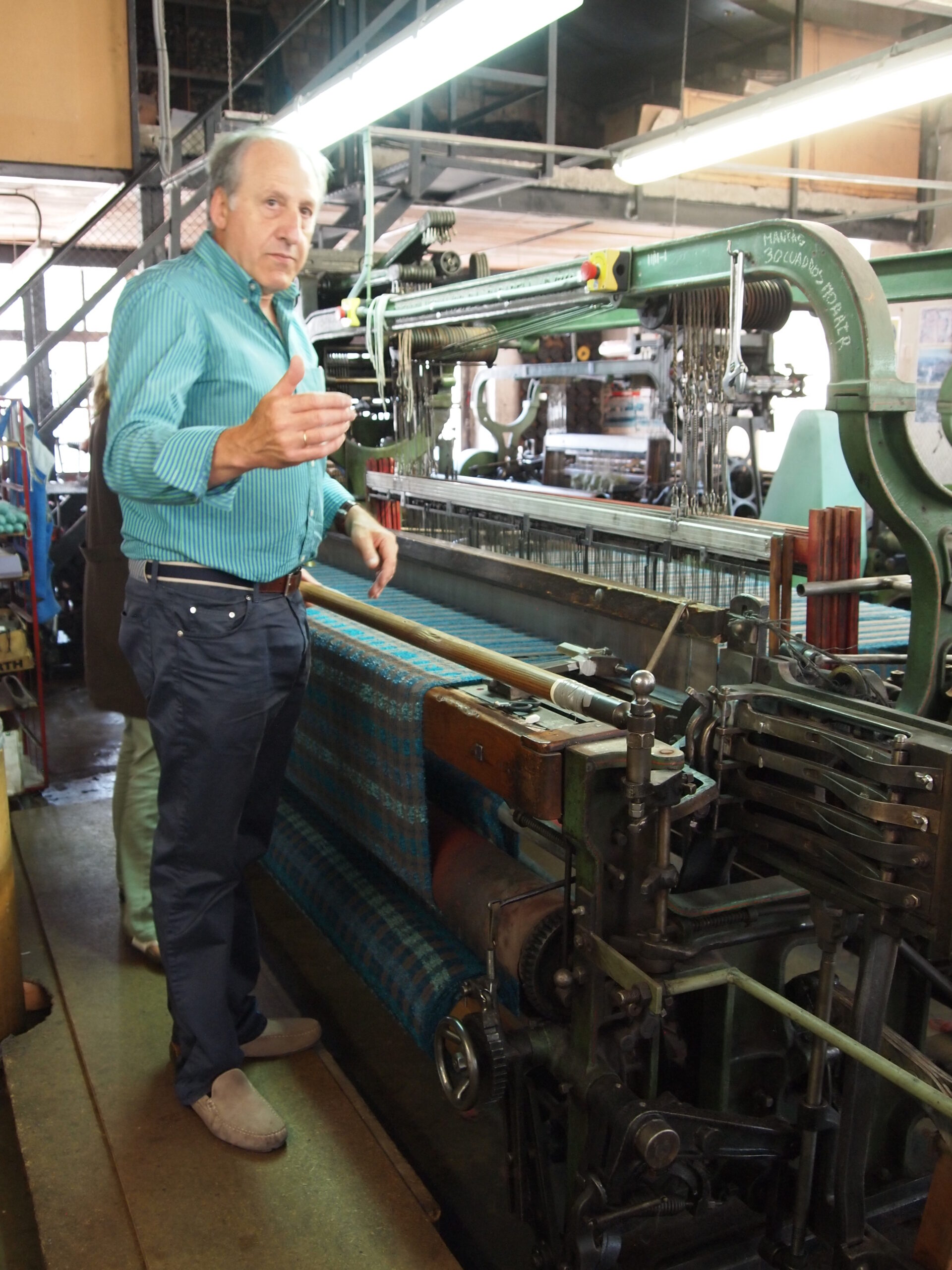
バルガ二ョンファミリー当主
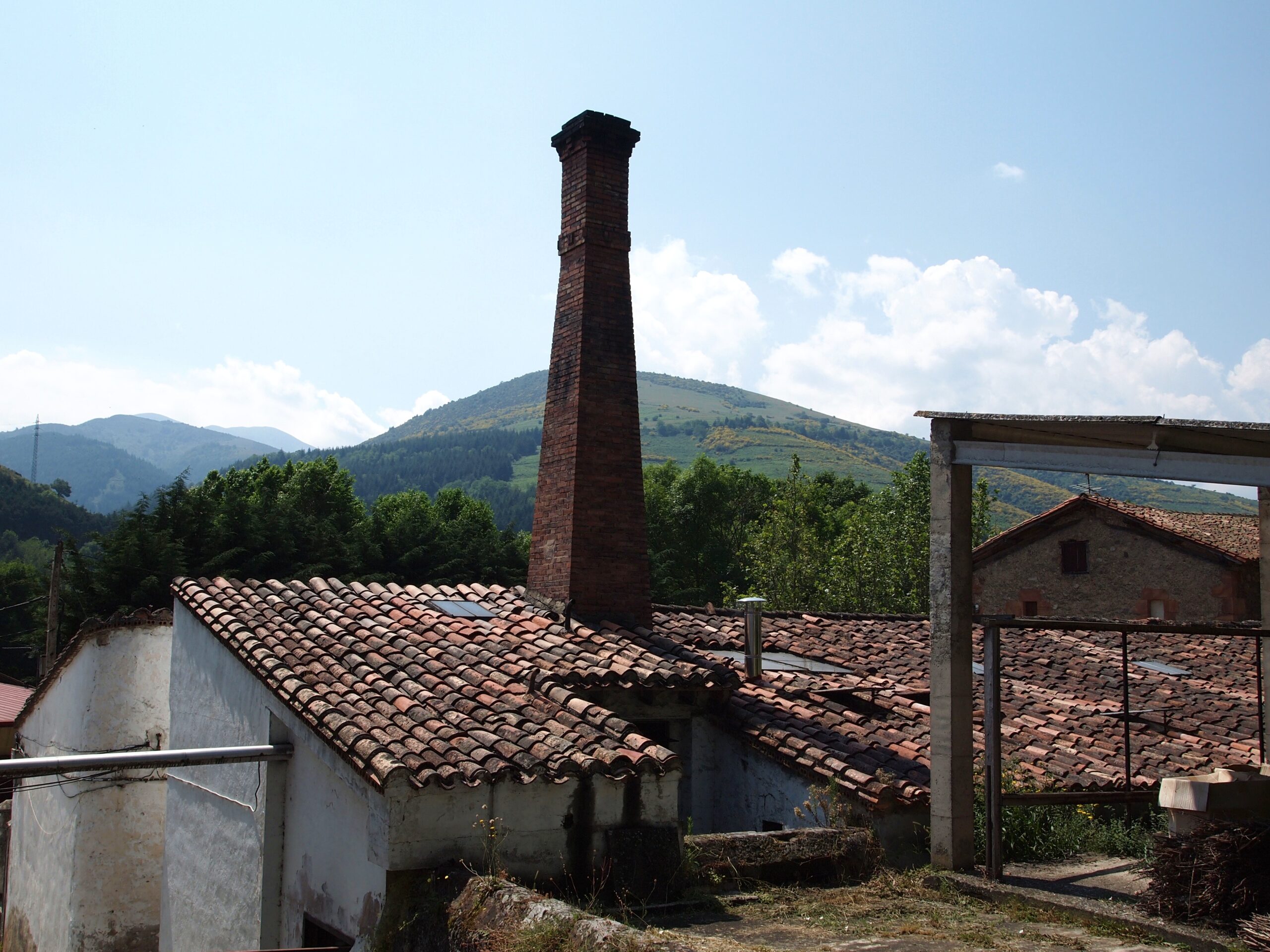
昔ながらの佇まいを残すエスカライ工場
今年も、マ・レルラ社を通じて、大人の色合いが魅力のエスカライ・モヘアを日本の皆さまにお届けします。
デザイナー阿部真理さんのオリジナルのモヘアグッズも登場すると思いますので、スペインと日本の文化の融合をどうぞお楽しみに。
マ・レルラのサイトはこちらからどうぞ。リバティプリントも充実しているオリジナルブランドです。https://www.marerura.com/
“The History and Tradition of Spanish Wool”
When people think of wool, they often picture the textile industry of Britain after the Industrial Revolution.
Yet, long before that era, from the Middle Ages through the 17th century, the most important and most refined wool industry in Europe was in Spain.
Spanish wool at that time was synonymous with the finest quality — what we now know as Merino wool.
The superior quality of Spanish wool was already recognized in Roman times, when the wools of Andalusia were highly prized.
It is believed that around the 12th century, crossbreeding between North African sheep and native Iberian flocks gave rise to what would become the world-famous Merino breed.
Merino fleece was exceptionally fine and soft — far superior to that of other European breeds — and would later earn the title “the white gold of Spain” (oro blanco).
The Mesta and the Kingdom of the Shepherds
In 1273, King Alfonso X of Castile founded the Mesta, a powerful guild created to protect the rights of shepherds and their flocks.
Under royal protection, the Mesta established a vast system of migration routes (cañadas reales) that allowed herds to move seasonally between southern and northern pastures — a practice known as trashumancia.
By the 16th century, more than three million sheep roamed the Castilian plains.
This network of shepherds and routes formed the backbone of Spain’s economy and culture, and many of those ancient paths still crisscross the Spanish countryside today.
Merino Wool — A Royal Monopoly
Merino sheep eventually became the exclusive property of the Spanish Crown.
Raw wool was exported to Europe at premium prices, while the export of live sheep was strictly forbidden — violations were punished by confiscation or imprisonment.
Before the discovery of the Americas, wool was Spain’s main source of wealth, its true national industry.
The Bourbon Dynasty and the Beginning of Decline
The decline began in the 18th century with the rise of the Bourbon dynasty.
King Philip V (1700–1746), grandson of Louis XIV of France, brought Spain under strong French influence.
To strengthen diplomatic ties, he presented a small number of Merino sheep as gifts to the French royal family.
These flocks were bred and improved in France, creating what became known as the French Merino.
By the late 18th century, Merino sheep were being exported — both as gifts and for sale — to Austria, Germany, and Sweden, and by the 19th century to Australia and South America.
The End of Monopoly and the Rise of the New World
Spain soon lost its position as the sole owner of the Merino breed, and with it, its price advantage in global markets.
In the 19th century, new producers such as Australia and Argentina began large-scale wool production using modern spinning technologies and vast open ranges.
Spanish wool, by contrast, fell behind in volume, price, and quality, and the country’s slow industrialization deepened the decline.
What had once been an export empire of raw wool gradually turned into a stagnant domestic industry.
Ezcaray — A Town that Preserves the Thread of Tradition
Amid this transformation, one small town kept the memory of Spain’s wool heritage alive: Ezcaray, in the region of La Rioja.
The town was once home to the Royal Wool Factory (Real Fábrica de Paños) and became known for its fine wools, nurtured by cold mountain air and pure river water.
Many textile families once thrived in Ezcaray, but over time most disappeared —
except for one: the Valgañón family, who carried the craft into the modern age.
In the early 20th century, they visited every remaining wool manufacturer in Spain before choosing to dedicate themselves to high-quality mohair production.
Using the town’s abundant water and their inherited dyeing techniques, they began producing mohair renowned for its brilliant, enduring colors.
Today, their small factory supplies mohair fabrics to the world’s leading fashion houses, preserving the soul of Spanish wool craftsmanship.
A Bridge to Japan — The Beauty of Handcrafted Heritage
Spanish craftsmanship cannot be understood without its stories — the history, the families, the devotion behind every piece.
For over thirty years, I have worked with Spanish artisans across many fields — wool, leather, ceramics, and furniture.
Among them, my connection with Ezcaray and the Valgañón family has lasted for more than fifteen years.
In an age when so many workshops are disappearing, Ezcaray stands out as a rare example of a small-town manufacturer that continues to export top-quality products worldwide.
It is a brand protected by a truly great family, who have preserved not only a business but a way of life.
This year again, through Ma Rerura Japan, we are delighted to bring you Ezcaray mohair — elegant, mature shades born from Spanish hands and tradition.
We are also preparing a collection of original mohair accessories, so please look forward to what’s to come.


コメント